
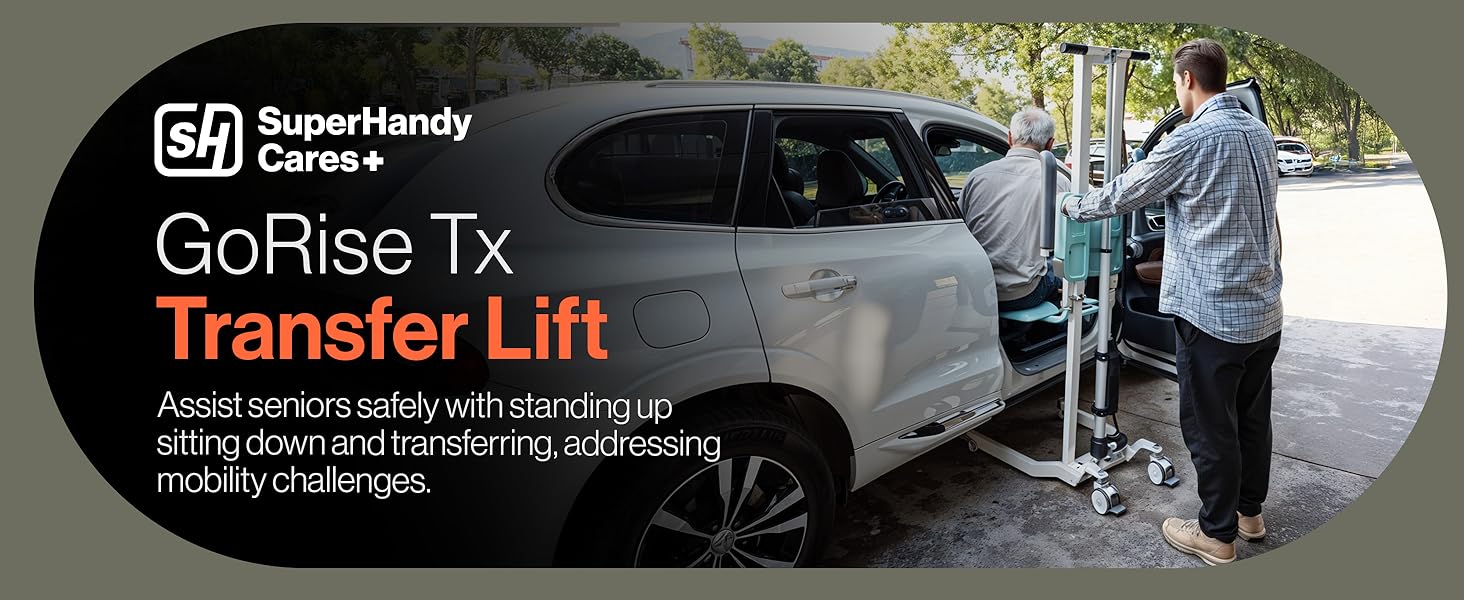
You might notice that an electric floor to stand lift changes how you move each day. These lifts help you stand up safely. They also let you stay independent. Some people think all lifts in homes must follow strict rules. This is not true. Look at these common misunderstandings:
|
Misconception |
Explanation |
|---|---|
|
All home lifts legally require LOLER. |
This is not true. Only workplace lifts need LOLER. |
|
A home becomes a workplace only if staff live there. |
This is wrong. Even visiting carers make it a workplace. |
|
Councils examine domestic lifts because law requires it. |
Not always. It is often for insurance and safety, not law. |
|
Home lifts still need servicing even without LOLER. |
This is true. Safety and reliability need regular checks. |
You use an electric floor to stand lift to help you move better. These lifts also keep you safe and comfortable.
Key Takeaways
-
Electric floor to stand lifts help people move safely alone. This gives them more confidence and helps them feel proud.
-
It is important to check and care for the lift often. This keeps it safe and working well for a long time.
-
Picking the best lift means thinking about what the user needs. You also need to look at space and safety features. This helps make sure the lift is easy and comfortable to use.
How Electric Floor to Stand Lifts Work
What Is a Floor Lift?
You may wonder what a floor lift is and how it differs from other devices. A floor lift is a powered device that helps you move from the floor to a standing or seated position. You use a floor lift when you cannot stand up on your own. This device supports you if you have fallen or need help moving between positions.
You find several types of lifts in homes and care settings. Mobile hoists can be electric or hydraulic. Electric models are common because they are easy to use. You use a floor lift if you cannot bear your own weight. It lifts you from a seated or lying position to standing or to another seat.
A standing aid, also called a sit-to-stand lift, helps you stand up from a chair. You need some strength to use a standing aid. Mechanised standing aids use electric or hydraulic power. Non-mechanised models need your own strength.
A floor lift is different. You do not need to help with the movement. The device does all the work. You stay safe and comfortable during the process.
Here is a quick comparison:
-
Floor lifts: Move you from the floor to standing or seated, even if you cannot help.
-
Standing aids: Help you stand if you have some strength.
-
Mobile hoists: Lift you between positions, often used for transfers.
You can use a floor lift in many places. Hospitals, long-term care, and bariatric care all use these devices. The safe working load for a floor lift is usually up to 227 kg (35 stone). Both bariatric and non-bariatric users benefit from these lifts.
|
Feature |
Details |
|---|---|
|
Safe Working Load |
227 kg (35 stone) |
|
User Types |
Bariatric and non-bariatric |
|
Ideal Environments |
Hospitals, long-term care, bariatric care |
Operation and Safety Features
You operate a floor lift with simple controls. Most powered floor lifts use a self-contained electric motor. You do not need a lift shaft. The lift moves smoothly between floors on rails. You guide the lift using hold-to-run controls. You must keep your hand on the control for the lift to move. This gives you a sense of control and keeps you safe.
You find an emergency stop button in an easy-to-reach place. If you need to stop the lift quickly, you press this button. The lift also has safety sensors. These sensors check for obstacles and stop the lift if something is in the way.
Manufacturers include many safety features in floor lifts. These features protect you and give you peace of mind. Here is a table of common safety features:
|
Safety Feature |
Description |
|---|---|
|
Seat Belts |
Keep you securely positioned during travel. |
|
Obstruction Sensors |
Stop the lift if an obstruction is detected in its path. |
|
Battery Backup Systems |
Ensure operation during power outages. |
|
Emergency Stop Buttons |
Allow immediate halting of the lift if necessary. |
|
Swivel Locks |
Prevent the seat from rotating unexpectedly. |
|
Safety Sensors |
Detect pressure on the footrest to prevent movement if obstructed. |
|
Anti-Slip Footrests |
Provide secure footing, even in wet conditions. |
|
Weight Sensors |
Prevent operation if the weight limit is exceeded. |
|
Speed Controls |
Maintain a safe and comfortable pace during operation. |
|
Braking Systems |
Engage automatically in case of malfunction to ensure safety. |
|
Intelligent Monitoring Systems |
Enhance safety with smooth start and stop technology to prevent sudden jolts. |
|
Armrests Locking Mechanism |
Provide stable handholds during operation. |
You also find features like door detection systems and car door locking mechanisms. These stop the doors from closing or opening at the wrong time. The materials used in a floor lift must meet fire safety standards. The lighting inside the lift is bright, so you can see clearly.
A floor lift fits into your home with little change to your space. The footprint is about 1 m². You need a vertical clearance of around 2.3 metres between floors. The lift uses a standard 240V electrical connection. Sometimes, you need to modify the joists for through-floor installations.
Accessibility in Daily Life
You improve your daily life with a floor lift. The device gives you more independence. You do not need to rely on others to move between floors or recover from a fall. You feel more confident and safe in your own home.
A floor lift makes your home more accessible. You can use the lift with a wheelchair. The controls are easy to reach, even from a seated position. You do not need to make big changes to your home. The installation causes little disruption. The lift is quiet and energy-efficient.
You enjoy more comfort because the lift moves smoothly and at a safe speed. The seat and armrests support you during the ride. Non-slip flooring and emergency lowering systems add to your comfort and safety. You can trust the lift to work well, even in an emergency.
You find that a floor lift helps you stay active and involved in daily life. You can move around your home with ease. You keep your dignity and enjoy more freedom. The lift supports your mobility and comfort every day.
Tip: Regular checks and maintenance keep your floor lift safe and reliable. Always follow the manufacturer's instructions for best results.
Mobility, Patient Care, and Choosing the Right Lift
Independence and Recovery from Falls
You want to do things on your own each day. Electric transfer floor lifts help you stay independent. These lifts support you if you need to stand up after a fall. They also help you move from one place to another. You do not have to wait for someone to help you. You can use the lift to get up quickly and safely. This makes you feel more confident and keeps your dignity.
Transfer floor lifts let you control how you move. You can use them by yourself or with a carer’s help. The lift supports your weight and moves you smoothly. This lowers the risk of getting hurt again. This mobility solution helps you move better and stay active at home.
You also look after your mental health. When you know you can get up safely, you worry less about falling. You can enjoy your home and daily life with less fear.
Patient Care and Caregiver Support
Transfer floor lifts help you and your carers. When you use a lift, your carer does not need to lift all your weight. This makes it easier for both of you and lowers the risk of injury.
Transfer floor lifts are simple to use. Many have remote controls and easy-to-hold handles. These features help carers move patients safely. Lifts with emergency stop buttons and manual lowering give carers more control. This keeps patient care safe and transfers secure.
Note: Electric hoists and transfer floor lifts help carers by making lifting easier, saving time, and lowering stress. This means better care and safer moves.
Key Features for Accessibility
When you pick a transfer floor lift, look for features that make it safe and easy. You want a lift that fits your space and needs. The table below shows what to check:
|
Feature |
Description |
|---|---|
|
Safety and Compliance |
Make sure the lift meets safety rules like the Machinery Directive 2006/42/EC and BS EN 81-41. |
|
Space and Layout |
See if you need a vertical or sloped lift for your home or building. |
|
User Needs |
Think about who will use the lift, like wheelchair users or people with limited movement. |
|
Aesthetics |
Choose a design that matches your home and can be customised if needed. |
|
Maintenance and Service |
Pick a supplier who offers regular checks and help for your lift. |
You also want safety features like seat belts, sensors, and battery backups. These keep you safe and make the lift work well. Look for lifts that are simple to use, with easy controls and clear instructions. Portability is good if you need to move the lift to other rooms.
Some transfer floor lifts do more than one job. For example, the RAYMEX® Lift can be a walker, lifting chair, and stand aid. This gives you more options and makes life easier. You should also think about cost. Some lifts, like the Raizer 2, cost more but may have extra features. You can get help with money from government grants, councils, or charities. Payment plans can also help you pay over time.
Tips for Safe Use and Maintenance
You want your transfer floor lift to last and work safely. Follow these tips to keep your lift in good shape:
-
Check for risks before using the lift to spot dangers.
-
Make sure you and your carers know how to use the lift.
-
Always follow the maker’s instructions and care plan.
-
Look at the lift every week for leaks, worn parts, or odd noises.
-
Keep the platform clean and clear to avoid sensor problems.
-
Do not put too much weight on the lift. This keeps it safe.
-
Check gates, locks, and safety parts often to make sure they work.
-
Get a professional to service the lift once or twice a year, or more if you use it a lot.
-
Oil moving parts and check cables as told by the maker.
-
Clean the cab and control panels often.
-
Test all safety features, like the emergency stop and battery backup, to make sure they work.
-
Choose someone to be ready for emergencies.
Tip: With regular care, transfer floor lifts can last 20 to 25 years. How long they last depends on how much you use them and how well you look after them.
You may have some common problems with transfer floor lifts. Wear and tear is the most common, so check the lift often. Misuse or damage can also cause problems. Make sure everyone knows how to use the lift safely. Power cuts, doors sticking, and dirty oil can happen, but you can stop most problems with regular checks and quick fixes.
|
Common Issue |
Description |
|---|---|
|
Lift Doors Sticking |
Doors may get stuck and need a professional to fix them. |
|
Power Failure |
Power cuts can stop the lift; battery backups help. |
|
Oil Contamination |
Dirty oil can cause problems; regular checks stop this. |
|
Lift Misalignment With Floor |
If the lift is not level, it can be dangerous, especially for people with movement problems. |
|
Loud Clunking or Squealing |
Strange noises may mean something is wrong and needs fixing. |
You must follow safety rules and guidelines. In healthcare, laws like the Health and Safety at Work Act 1974 and LOLER 1998 say you need regular checks and training. Even at home, you should keep up with checks and safety.
Transfer floor lifts help you reach all parts of your home or care setting. They make moving easier, lower the risk of injury, and help you and your carers feel safe and comfortable. If you choose the right lift and look after it, you improve movement, safety, and your quality of life every day.
You can move around more easily and safely with an electric floor to stand lift. This lift helps you do things on your own. It also makes work easier for carers. When picking a lift, think about these things:
-
Do you want a fixed or mobile lift?
-
Should it be electric or manual?
-
Does it need a ceiling track?
-
Can you use it for bathing?
-
How strong is the user?
-
Is the sling the right one?
Looking after your lift keeps it safe and working well:
-
Find problems early and make sure safety parts work.
-
Let a professional check it so small issues do not get worse.
-
Clean and test the safety parts often.
You feel calm and enjoy a better life.
FAQ
How often should you service your electric floor to stand lift?
You should arrange a professional service at least once a year. Regular checks keep your lift safe and reliable for daily use.
Can you use a floor to stand lift without help?
You can use some lifts on your own if you feel confident. Always read the instructions and ask a professional if you feel unsure.
What should you do if your lift stops working suddenly?
-
Stay calm.
-
Use the emergency stop or lowering feature.
-
Call your service provider for help.