
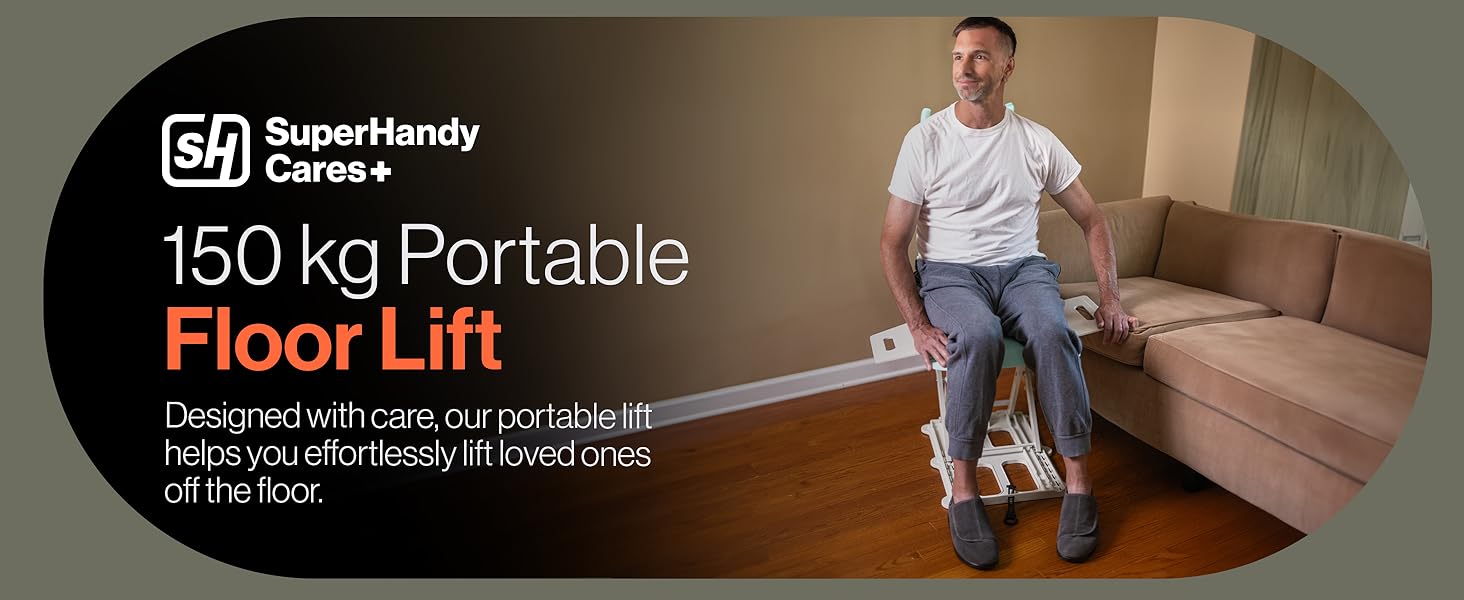
You want to pick a floor lift that matches your home and life. Elevators now give more comfort and look nicer than before. Many people pick a home elevator lift to move around more easily. Home lift designs use clever technology and have better safety. Elevators use less energy. Elevators are quiet. Elevators can fit in any home.
Key Takeaways
-
Think about your mobility needs when picking a home lift. A lift can help you feel more independent and comfortable. It is very useful for people who have trouble moving around.
-
Look at your home's layout and how much space you have. Measure the ceiling height and floor area. This helps make sure the lift will fit and work for you.
-
Think about what you might need in the future. Pick a lift that can handle changes in your family or health. This makes sure you can use it for a long time.
Understanding Your Floor Lift Needs
User Mobility and Comfort
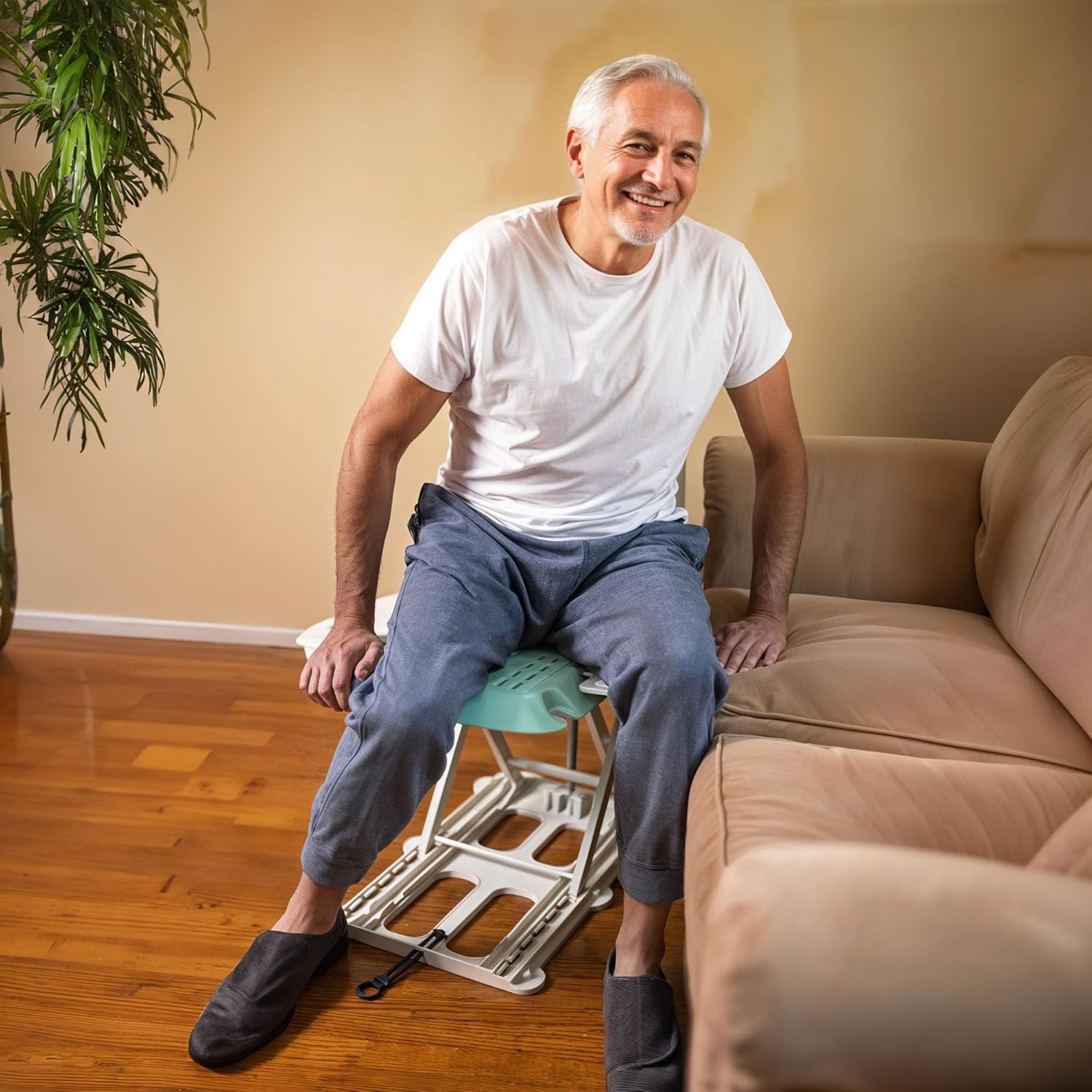
Think about how you get around your house. Some people find it hard to use stairs as they get older, after an accident, or if they have a disability. These problems can make stairs very difficult. A floor lift or home elevator lift helps you move between floors easily. You can use a lift if you have a wheelchair or walking stick. This makes your house easier and nicer for everyone.
-
Mobility problems can mean:
-
Trouble with stairs because of age or injury
-
Needing a wheelchair or walking stick
-
Wanting to move freely and enjoy your home
-
A home lift helps you stay independent. It lets you reach every room in your house. You can feel safe and comfortable, knowing you do not need to worry about stairs. Home elevator lifts now give more comfort and look better than before.
|
Feature |
Through Floor Lift |
Home Lift |
|---|---|---|
|
Design Options |
Not many design choices |
More ways to choose how it looks |
|
Passenger Space |
1-2 people |
Bigger cabins for more people |
|
Weight Capacity |
Lower weight limits |
Higher weight limits for wheelchairs |
|
Safety Features |
Basic safety parts |
Better safety, full doors, two-way talk |
|
Accessibility |
Great for wheelchair users |
Fits wheelchairs, walkers, and aids |
Both types of home lifts care about safety. Through-floor lifts have fire seals, sensors, and emergency stop buttons. Home lifts add full doors and two-way talking systems. These things help you feel safe, no matter what you need.
Home Layout and Lift Height
You need to look at your house before picking a lift. The space you have changes what kind and size of lift you can get. Some houses have room for a big home elevator, but others need a small one.
|
Factor |
Description |
|---|---|
|
Available Space |
The space you have changes the size and type of lift you can get. |
|
Intended Usage |
If you need space for a wheelchair and helper, you need a bigger lift. |
|
Weight Capacity |
The lift must hold the weight of people and aids. |
|
Number of Users |
More people may need a bigger cabin and more features. |
|
Mobility Needs |
The lift should work for people with mobility problems. |
You should measure your ceiling and check your floor space. Some lifts need more headroom or a pit under the floor. Small lifts can fit in tight places. You can find lifts that work in almost any house, even if you do not have much space.
Planning for Future Needs
When you buy a home lift, think about what you might need later. Your needs can change as you get older or if your family gets bigger. Many people pick a home lift so their house stays easy to use for a long time. Home lifts are good for older people who want to stay at home. They also help families with older members or people whose health changes.
Home lifts can make your house look better and work better. You can avoid big changes later by planning now. Younger people also see that adding a lift during building work is smart. This helps you get ready for the future and stops problems later.
Tip: Pick a home lift that fits in small spaces and uses less energy. New lifts are quiet and save power, so they are a good choice for any house.
A home elevator can help families with people of all ages. It lets everyone move around safely. Unlike stairlifts, a home lift looks nice and has more space. You can put one in without changing your house too much.
Smart home elevators now have things like remote controls and energy-saving settings. You can ask for help to find the best lift for you. Home elevators are a good choice for comfort and making your house easier to use.
Types of Home Lift Solutions
You have different home lifts to pick from. Each lift type has good points. Each one suits different people. You should learn the main differences first.
Platform and Step Lifts
Platform and step lifts help you move up short heights. They work well for wheelchair users. People who cannot walk easily can use them. You can put these lifts inside or outside your house. Platform lifts look simple and do not need much space. Step lifts are good for small height changes, like at the door. These lifts are easy to use and work well. They cost less and do not need big building jobs.
Through-the-Floor Elevators
Through-the-floor elevators go straight between two floors. You can put them in many places at home. The table below shows where you can install them:
|
Installation Point |
Description |
|---|---|
|
Hallways |
Good for moving from lounge to landing |
|
Bedrooms to Living Rooms |
Gives private and direct access |
|
Cupboards or Corners |
Lets you hide the lift in a small space |
|
Landings or Stairwells |
Works well if you have enough room |
You can pick a through-the-floor elevator for a smooth ride. These lifts look modern. They have safety parts and save energy. You can choose a home elevator lift that fits your style. Many top home elevator models let you pick colours and finishes.
Compact and Space-Saving Lifts
Compact home lifts fit well in small houses. You can install them without much mess. These lifts match your home and do not look big. You can use them to carry shopping or bags. Stairlifts cannot do this. Compact lifts help everyone in the house. You can change how they look. You should check the weight limit. Make sure the lift is right for you. Compact lifts save energy and suit modern homes.
Tip: You can book a home elevator meeting to find the best lift for your space. This helps you compare lifts and pick the right one for your family.
You can find many home lifts in shops now. Residential elevators are quiet, safe, and stylish. The right lift gives you comfort and lets you move freely at home.
Key Features of the Best Home Elevators
Safety and Compliance
You want your home elevator to keep you safe. Modern lifts follow strict rules. In 2026, BS EN 81-76:2025 sets new fire safety standards. It also helps people with disabilities in emergencies. You should check if your floor lift meets these rules. The table below lists important safety features:
|
Safety Feature |
Description |
|---|---|
|
Fire-Resistant Design |
Uses materials that protect against smoke and heat. |
|
Emergency Operation |
Lets trained people control the lift in emergencies. |
|
Power & Safety Systems |
Has backup power, water protection, and emergency lights. |
|
Communication & Signage |
Includes two-way talk systems and clear signs for emergencies. |
Top home elevator brands use door sensors and car door locks. They also use fire-safe materials. These upgrades help you feel safe at home.
Energy Efficiency and Quiet Operation
You want your home elevator to save energy and be quiet. New lifts use regenerative drives. These drives send extra energy back to your home. This can lower energy use by up to 30%. LED lights and smart shut-offs help cut bills. Smart controls group trips to save time and power.
Most home lifts run at 50–60 dB, like a normal chat. Some models, such as Kleemann Atlas Basic, measure only 52–54 dB inside. You can enjoy a peaceful home with the best lift.
Tip: Ask for a home elevator meeting to compare noise and energy use before you choose.
Customisation and Aesthetics
You can make your home lift match your style. Customisation lets you pick leather panels or wood finishes. You can choose floors that match your house. You can add glass doors for a modern look. Some lifts have screens for art or messages. You can line up windows in the shaft with your house windows.
A stylish home lift can raise your property value. It can make you happier at home. Many people now pick lifts that blend with their décor. Compact lifts can replace stairs and make your space look better. The best home lift will fit your needs and taste.
|
Impact Area |
Description |
|---|---|
|
Property Value |
Makes your home look better and attracts buyers. |
|
User Satisfaction |
Custom options help you enjoy your lift and your living space. |
You can find the best home lift by looking at safety, energy use, and customisation. Home lifts today offer more comfort, style, and safety than ever before.
Budgeting for Residential Elevators
Price Ranges and Value
You should know the cost of residential elevators before planning. In 2026, a home lift usually costs between £15,000 and over £33,000. Some lifts start at about $25,000 and can go above $50,000 with more customisation or tricky installation. The price changes for many reasons:
-
The type of lift you pick
-
The lift’s size and how much it can carry
-
Any extra features you want
-
Where you live and local rules
-
If you are adding a lift to a new house or swapping an old one
Think about what you get for your money, not just the price. A good residential lift elevator can make your home safer and more comfortable.
Installation and Space Considerations
Home elevator installation needs different time and space. The table below shows what to expect for each type:
|
Elevator Type |
Installation Timeline |
Space Requirements |
|---|---|---|
|
Hydraulic |
Longer, needs changes |
Needs a machine room and a pit |
|
Shaftless |
Shorter, easy to install |
Needs little space, no full hoistway |
|
Pneumatic |
Moderate, self-contained |
No machine room or pit needed |
|
Winding Drum |
Moderate, reliable |
Needs space for motor and cables |
Installation costs change with your home’s design and the lift type. If your house needs big changes, it will cost more. Domestic lifts are usually cheaper than commercial elevators, but you still need to plan for building work and safety checks.
Ongoing Maintenance Costs
You also need to plan for maintenance. Regular checks keep elevators safe and working well. Most maintenance contracts cover basic checks, but you can pay more for 24-hour help or extra tests. Modern elevators last 15 to 18 years if you look after them. Good care keeps your home elevator solutions working for a long time.
Tip: Plan for yearly maintenance when you buy a home lift. This helps you avoid big repair bills later.
Choosing the Best Residential Elevator Supplier
Research and Reviews
Start by reading what other people say online. Many homeowners write about their lift suppliers. These reviews help you see which companies are good. You can compare how well lifts work and how helpful the staff are. Some suppliers get high ratings, like 4.7 out of 5. People often say the work is quick and the staff are kind. You can look at tables to see how many people recommend each supplier and how many reviews they have.
|
Supplier |
Recommendation Rate |
Average Rating |
Review Count |
|---|---|---|---|
|
SuperHandy |
97% |
4.7 stars |
321 |
Warranty and Aftercare
Check the warranty before you pick a lift. Most new lifts have at least 12 months of cover. Suppliers give support and regular checks. This means safety checks, cleaning, and testing the electrics. Refurbished lifts also have a 12-month warranty and full inspection. If you hire a lift, you get repairs and checks while you use it. Getting your lift checked every year keeps it safe and working well.
|
Type of Lift |
Warranty Period |
Aftercare Services |
|---|---|---|
|
New |
Minimum 12 months |
Full support, servicing, and safety checks |
|
Refurbished |
12 months |
Inspection and testing |
|
Hire |
No separate warranty |
Maintenance and repairs included |
Consulting Expert Guides
Expert guides can help you choose a lift supplier. These guides say you should check the company’s reputation. Look for suppliers who follow safety rules and have the right certificates. Fast help and regular checks are important. Experts say you should pick companies who know about smart home elevators and new technology. Safety, modern features, and good service matter when you pick a lift.
Tip: A good supplier will update old lifts and use smart checks to keep your lift working well.
If you follow these steps, you can make a good choice. The right supplier will help your home be safe and comfortable.
You can pick the best floor lift by doing these things: First, think about what you need and want. Next, learn about the different lift types. Safety should come first. Plan how much money you can spend. Ask experts for help. Remember to think about maintenance. Pick features that suit you. Then, make your choice.
|
Aspect |
Description |
|---|---|
|
Comparison Shopping |
You can look at prices and features from many companies. |
|
Expert Advice |
Experts can explain how lifts work and what they offer. |
-
A home lift helps people move around and keeps them safe.
-
It makes your house worth more money.
-
It gets your home ready for the future.
You can make your home safer and nicer for a long time.
FAQ
How long does it take to install a home lift?
You can expect installation to take between two days and two weeks. The time depends on your lift type and your home’s layout.
Do home lifts use a lot of electricity?
Most modern lifts use energy-saving technology. You will see only a small increase in your electricity bill.
Can you customise the look of your home lift?
Yes, you can choose colours, materials, and finishes. Many suppliers offer options to match your home’s style.