
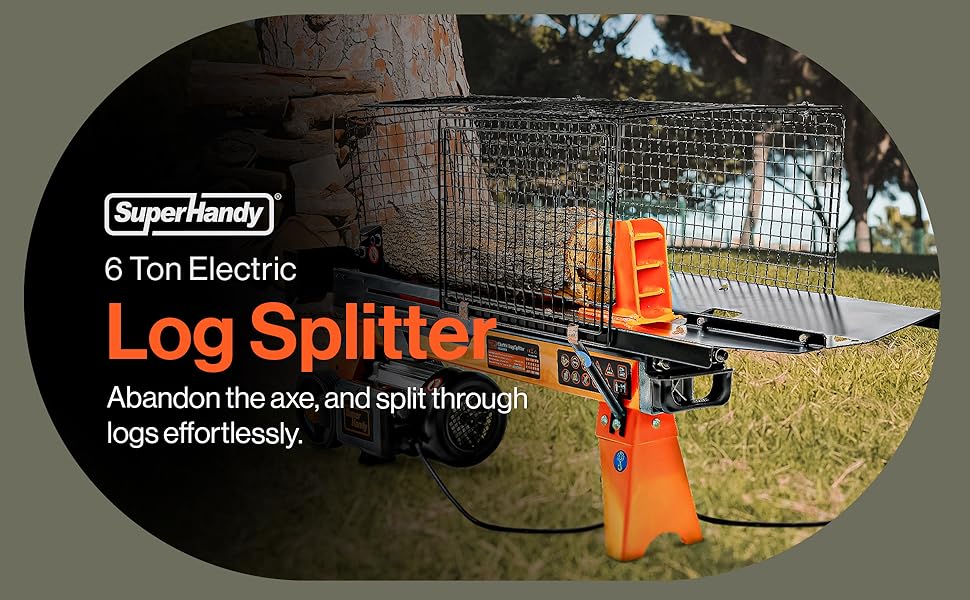
You should learn log splitter safety first. You need to respect the Log Splitter Electric Portable 6 Ton. Always be careful. Read all instructions slowly. Watch out for the machine and yourself. You keep safe and protect your equipment when you do things the right way.
Key Takeaways
-
Always read the manual before you use the log splitter. The manual has important safety rules and instructions. It tells you how to use the log splitter the right way.
-
Look at the log splitter for damage before every use. Check the hoses and cables. Make sure all parts are tight and safe. This helps stop accidents from happening.
-
Wear the right safety gear like gloves and goggles. This keeps you safe from harm when you use the log splitter.
Preparation
Read the Manual
You must read the manual before you use the log splitter electric portable 6 ton. The manual explains all safety rules and shows you how to use the machine. You will learn about the controls, the right way to split logs, and the limits of the machine. Always follow the safety rules in the manual. This step helps you avoid mistakes and keeps you safe.
Inspect the Log Splitter
You should check the log splitter electric portable 6 ton for damage or wear before each use. Look at the hydraulic hoses and make sure they do not leak. Check the electrical cables for cuts or cracks. Make sure all parts are tight and the splitting wedge is sharp and clean. These safety checks help you spot problems early and prevent accidents.
Set Up Work Area
Choose a flat, dry place for your work. Clear away sticks, rocks, and other things that could trip you. Keep pets and children away from the area. Place the log splitter electric portable 6 ton on a stable surface and block the wheels so it does not move. You must follow these safety rules to keep your work area safe.
Electrical Connection Safety
Use a power source that matches the log splitter electric portable 6 ton. If you need an extension lead, pick one for outdoor use and make sure it is not longer than 30 metres. Unwind the cable fully and keep it away from water. Check that the cord is thick enough and in good condition. This keeps you safe from electric shocks.
Safety Gear and Clothing
Wear safety gear every time you use the log splitter electric portable 6 ton. You need protective gloves, goggles, and steel-toe boots. Do not wear loose clothing or jewellery. Proper safety gear protects you from flying wood and other dangers. Always follow safety rules and never skip this step.
Tip: Good safety gear and careful checks help you work safely and get the best results from your log splitter electric portable 6 ton.
Log Splitter Operation
Positioning and Securing Logs
You need to set up each log correctly before you start splitting. Place the log on a stable, flat surface. Make sure the ground is level so logs and tools do not roll away. Clear your workspace of debris to prevent tripping. Use a sturdy chopping block at waist height for better control. Keep the log close to you, so you do not have to reach far. This helps you keep your balance and avoid accidents.
-
Stable ground keeps logs from moving.
-
Clear workspace prevents tripping hazards.
-
Sturdy chopping block gives you better control.
-
No overreaching keeps you safe.
You should always check the log for knots and place them facing upward. This prevents damage to the splitter. If you want to know how to use a log splitter safely, start by making sure each log is secure and positioned correctly.
Using Controls Safely
You must learn how to use a log splitter before you touch the controls. Stand in a safe position and keep your hands away from the splitting area. Use both hands to operate the hydraulic control lever. Most machines have two-hand controls to keep you safe. Never override safety features. Always use the ramstop to save time and keep the splitter level for proper operation.
Tip: Split the log slightly off centre. This makes splitting easier and reduces strain on the machine.
If you want to know how to use a log splitter well, follow the instructions and use good quality oil. This keeps the machine running smoothly. Do not force the log through the splitter. If the log does not split easily, stop and check for problems.
|
Risk Type |
Description |
|---|---|
|
Hand and Clothing Entanglement |
A fatal incident where clothing became entangled, leading to severe injuries and death. |
|
Safety Features |
Machines must have interlocking guards or two-hand control systems to prevent access to risk zones. |
|
Operator Behaviour |
Operators may override safety controls, increasing the risk of accidents. |
|
Control Requirements |
Two-hand controls must be operated together to prevent inadvertent operation and ensure safety. |
You must wear gloves and avoid loose clothing. This reduces the risk of entanglement. Careful operation protects you from serious injury.
Keeping Clear of Splitting Area
You must keep your hands, feet, and clothing away from the splitting area. Never reach into the machine while it is running. Stand to the side and watch the log as it splits. Keep children and pets away from the work area. If you want to know how to use a log splitter safely, always stay alert and keep clear of moving parts.
-
Keep workspace clear of debris and tools.
-
Use a stable chopping block at the right height.
-
Position logs close to you.
-
Seek guidance from experienced users if you are new.
-
Maintain tools and keep them sharp.
-
Avoid splitting logs in wet or icy conditions.
-
Keep a first aid kit nearby.
-
Know your emergency plan.
Handling Stuck Logs
Sometimes a log gets stuck in the splitter. You must turn off the machine and disconnect the power before you try to remove it. Never use your hands to pull out a stuck log while the splitter is running. Use a wooden stick or tool to free the log. If the log will not move, check for knots or damage. Keep knots facing upward to avoid problems. If you cannot remove the log safely, ask for help.
Note: Regular maintenance and good quality oil help prevent logs from getting stuck. Always follow the manufacturer’s instructions for log splitter operation.
After Use
Power Down and Disconnect
You must switch off the electric log splitter when you finish splitting logs. Unplug the machine from the power source before you touch any parts. This step keeps you safe from electric shocks and moving parts. Wait for all parts to stop before you clean or adjust the splitter. Never leave the electric log splitter plugged in when you are not using it.
Cleaning and Maintenance
You should clean the electric log splitter after each use. Remove wood chips and dirt from the machine. Check the hydraulic hoses for wear and tear. Look for oil leaks and fix them quickly. Lubricate moving parts to keep the splitter working smoothly. Replace hydraulic fluid as the manufacturer recommends. Regular cleaning and maintenance help your electric log splitter last longer and work safely.
-
Clean and inspect after every use.
-
Remove debris and check hoses.
-
Fix oil leaks.
-
Lubricate moving parts.
-
Replace hydraulic fluid as needed.
Tip: A clean machine works better and keeps you safe.
Safe Storage
Store the electric log splitter in a dry place. Cover the machine to protect it from dust and moisture. Keep it away from children and pets. Make sure the splitter stands on a stable surface. Lock the wheels if your model has them. Safe storage prevents damage and keeps your equipment ready for the next job.
Common Mistakes
Errors to Avoid
You can make your work safer by knowing the most common mistakes. Many users forget to block the wheels or place logs the wrong way. These errors can cause the log splitter to move or the log to slip. You should always check the machine before you start. The table below shows frequent mistakes and what they mean for your log splitter electric portable 6 ton.
|
Common Mistake |
Description |
|---|---|
|
Weak Performance |
Log may be too green or large, or improperly loaded. Check the wedge for bluntness. |
|
Vibration or Shaking |
Could indicate low hydraulic oil or air in the lines. Requires bleeding the system. |
|
Loss of Driving Force |
May be due to air in the lines, oil leaks, or cold temperatures affecting oil viscosity. |
|
Ram Not Returning |
The nut for the ram may have come off the piston, requiring manual adjustment or professional help. |
You should avoid forcing logs that are too large or wet. Always check the wedge for sharpness. If you notice shaking or weak force, stop and inspect the oil level. Never ignore strange sounds or movements.
Accident Prevention Tips
You can prevent accidents by following a few simple steps. Wear gloves, safety goggles, and thick-soled boots every time you use the log splitter. Keep your work area clear of tools, pets, and children. Stand to the side and keep your hands away from moving parts. Always unplug the machine before you clean or adjust it. These habits help you stay safe and protect your equipment.
Tip: Careful checks and good habits make your work safer and easier.
You can stay safe if you do these things:
-
Make sure your log splitter has the right power and a tidy space.
-
Look at each log for knots or metal before you start.
-
Be careful when you work, line up the logs, and use the controls the way the manual says.
-
Clean up after you finish and check if anything needs fixing.
Tip: Always listen to safety rules and what the manual says. This keeps you and your log splitter safe.
FAQ
How often should you check the hydraulic oil in your log splitter?
You should check the hydraulic oil before every use. Low oil can damage the machine and make splitting logs unsafe.
Can you split logs that are wet or freshly cut?
Wet or green logs are harder to split. You should let logs dry for a few months. Dry wood splits more easily and safely.
What should you do if the log splitter will not start?
-
Check the power supply.
-
Inspect the extension lead.
-
Make sure the safety switch is on.
-
Read the manual for more troubleshooting steps.