
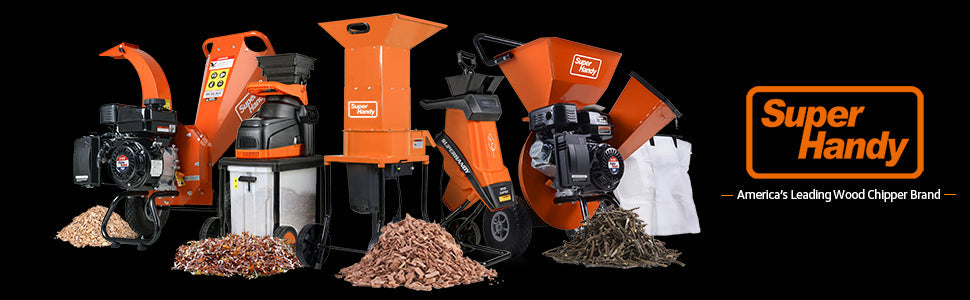
You want to safely operate a wood chipper in your garden or workshop. The Wood Chipper 196cc Motor can handle tough tasks, but you must use care. Safety should always come first. You can prevent accidents by following clear steps and using the right equipment every time.
Key Takeaways
-
Always wear safety gear like gloves, goggles, and ear defenders to keep yourself safe. Check your wood chipper before you use it. Make sure it works well and is safe to use. Put branches in slowly. Use a push stick for short pieces so you do not get hurt.
Why Chipper Safety Matters
Risks of Unsafe Operation
You need to know the dangers before using your wood chipper. If you do not follow safety rules, you could get badly hurt. Loose clothes might get pulled into the moving parts. Bits of wood can fly up and hit your eyes or skin. The machine is very loud and can harm your ears. You should always wear safety gear when you use the wood chipper. Make sure there are no children or pets nearby before you start. If you forget safety steps, accidents are more likely to happen.
Tip: Always read the manual and follow wood chipper safety rules. This helps you avoid common mistakes.
Benefits of Safe Practice
When you use safety steps, you keep yourself and others safe. You keep your hands and feet away from the blades. You wear gloves, goggles, and ear defenders to protect yourself. Protective gear keeps you safe from sharp sticks and loud noise. You clear the area so nothing gets in your way. Safe habits help you finish your work without getting hurt. Your wood chipper will also last longer if you use it safely.
-
Safe operation helps you:
-
Stop accidents from happening.
-
Work quicker and feel sure of yourself.
-
Make your machine last longer.
-
You must remember that wood chipper safety rules are not just suggestions. They are important for everyone who uses the machine.
Essential Safety Gear for Wood Chipper 196cc Motor
PPE Requirements
You must wear the right personal protective equipment before using your wood chipper. This gear keeps you safe from flying bits, loud sounds, and sharp things. Safety experts say you should use these items:
-
Gloves
-
Goggles
-
Ear defenders
Always put on this gear before starting the machine. Gloves keep your hands safe from sharp sticks and splinters. Goggles stop dust and wood chips from getting in your eyes. Ear defenders protect your ears from the loud noise. These are the main ppe you need for wood chipper work.
Safety studies show each item has its own safety rule. The table below shows the best gear and what standard it should meet:
|
PPE Item |
Specification/Standard |
|---|---|
|
Safety Helmet |
Complying with EN 397 |
|
Eye Protection |
Mesh visor (EN 1731) or safety glasses (EN 166) |
|
Hearing Protection |
Complying with EN 352 (for noise > 85 dB(A)) |
|
Gloves |
Long, close-fitting cuffs |
|
Safety Boots |
Good grip and ankle support (EN 345-1) |
|
Non-snag Clothing |
Appropriate to weather conditions |
|
High-visibility Clothing |
Complying with EN 471 (if needed) |
Tip: Always look at your gear for any damage before you use it.
Suitable Clothing
Wear clothes that fit well and do not have loose parts. Loose clothes can get pulled into the chipper and hurt you. Pick long sleeves and trousers to cover your arms and legs. Wear safety boots with strong grip and ankle support. If you work near roads or in the dark, high-visibility clothes help people see you. Make sure your clothes match the weather, but never forget about safety.
Preparation Steps to Safely Operate a Wood Chipper
Before you start your wood chipper, you must follow the essential steps to safely operate the machine. Careful preparation helps you avoid accidents and keeps your equipment in good condition.
Inspecting the Chipper
You should always begin with a thorough inspection. Use a pre-use checklist to make sure nothing is missed. Look for any signs of damage on the body and frame. Check the blades for sharpness. Dull blades can make the chipper work harder and may cause jams. Tighten any loose bolts or screws you find. Examine the guards and shields to confirm they are secure.
Read the manual before you touch the machine. The manual gives you important safety advice and shows you how to use the chipper correctly. Disconnect the spark plug wire before you inspect or clean the chipper. This step stops the engine from starting by accident.
Tip: Never skip the inspection. A quick check can prevent serious problems later.
Here is a simple table to guide your inspection:
|
Inspection Item |
What to Look For |
Action Needed |
|---|---|---|
|
Body and Frame |
Cracks, dents, rust |
Repair or replace |
|
Blades |
Dullness, chips |
Sharpen or change |
|
Bolts and Screws |
Looseness |
Tighten |
|
Guards and Shields |
Missing, loose |
Secure or replace |
|
Spark Plug Wire |
Connected |
Disconnect before work |
Setting Up the Work Area
Choose a flat and stable surface for your wood chipper. Uneven ground can make the machine tip over. If you need to move or lift the chipper, ask another person to help you. Two people can lift the machine safely and avoid injury.
Clear the area around the chipper. Remove stones, branches, and other objects that could get in the way. Make sure there are no children or pets nearby. Keep your work space tidy so you can move easily and stay safe.
Note: Good preparation makes your work easier and safer.
Place the chipper so you have a clear path for feeding branches. Stand to the side when you feed material into the hopper. This position keeps you away from moving parts. Check that you have enough space to move around the chipper without tripping.
Follow these steps every time you use your wood chipper. Careful preparation is the foundation of safe operation.
Essential Steps to Safely Operate During Use
Starting the Engine
You must check the fuel level before you start your wood chipper. Use fresh petrol and fill the tank to the recommended level. Look for leaks or spills around the fuel cap. Wipe away any petrol that drips onto the machine. Next, set the choke lever to the correct position. The choke helps the engine start when it is cold. Make sure the safety switch is engaged. This switch stops the engine from starting by accident.
Stand to the side of the chipper, not in front of the hopper. Hold the starter handle firmly. Pull it in a smooth, quick motion. If the engine does not start, wait a few seconds and try again. Do not flood the engine by pulling too many times in a row. Once the engine starts, move the choke to the run position. Let the engine warm up for a minute before you begin chipping.
Tip: Always keep your hands and face away from moving parts when starting the engine.
Feeding Material Safely
You need to keep a safe distance from the hopper when feeding branches. Stand to the side so you can see the opening and the material you are feeding. Hold each branch by the thicker end. Feed it slowly into the hopper. Do not force the material. Let the chipper pull it in at its own speed.
Use a push stick for short pieces. Never use your hands to push material into the blades. If a branch gets stuck, turn off the engine before you try to clear it. Wait for all moving parts to stop. Remove the blockage with a stick or tool, not your hands.
Here is a simple checklist for safe feeding:
-
Stand to the side of the hopper.
-
Hold branches by the thick end.
-
Feed material slowly and steadily.
-
Use a push stick for short pieces.
-
Turn off the engine before clearing jams.
Note: Stay alert and watch for any changes in sound or movement. These signs can warn you about jams or other problems.
Chipper Safety During Operation
You must stay focused while the chipper is running. Keep your hands, feet, and clothing away from the hopper and discharge chute. Watch for flying debris. Wear your safety goggles and ear defenders at all times. Check that no one enters the work area while the chipper is in use.
Maintain a clear line of sight to the hopper and the discharge area. Move slowly and avoid sudden actions. If you feel tired, stop and take a break. Fatigue can lead to mistakes. Always follow the rules for chipper safety during operation. These rules protect you and everyone nearby.
Alert: If you hear strange noises or see smoke, turn off the engine right away. Inspect the chipper before you continue.
Shutting Down and Storing Your Wood Chipper 196cc Motor
Safe Shutdown
You must shut down your wood chipper 196cc motor safely every time you finish work. First, let the engine run for a minute to cool down. Switch off the engine using the main control. Disconnect the spark plug wire to stop accidental starts. Wait until all moving parts stop before you touch any part of the machine. Remove any branches or debris from the hopper and discharge chute. Always wear gloves when handling sharp or rough material.
Tip: Never leave your wood chipper 196cc motor unattended while it is running. Make sure the area is clear before you walk away.
Cleaning and Storage
Cleaning your wood chipper 196cc motor after each use keeps it in good condition. Use a brush to remove dust and wood chips from all surfaces. Wipe down the inside and outside to prevent blockages. Inspect the machine for cracks, loose bolts, and blade security. Check the air filter daily, especially if you work in dusty places. Change the air filter every 25 hours of use. Replace blades and the spark plug once a year. Wash the collection bag at the end of each season.
Store your wood chipper 196cc motor in a dry, sheltered place. Cover it to protect it from rain and dust. Keep the machine on a flat surface to prevent tipping. Regular maintenance helps your wood chipper 196cc motor last longer and work safely.
Note: A clean and well-stored wood chipper 196cc motor is ready for your next job.
You can use your 196cc wood chipper safely if you do these things:
-
Put on the right safety gear every time.
-
Check your machine before you start.
-
Feed branches into the chipper the safe way.
-
Clean and put away your chipper after each job.
Tip: If you check and look after your chipper often, it will last longer and keep you safe.
FAQ
How often should you check the blades on your wood chipper?
You should inspect the blades before each use. Sharp blades help you chip wood safely and quickly.
What fuel works best for a 196cc wood chipper?
You need fresh unleaded petrol. Avoid old or dirty fuel. Clean fuel keeps your engine running smoothly.
Can you chip wet branches with your wood chipper?
Tip: Dry branches chip better. Wet wood may clog the machine and slow your work.