
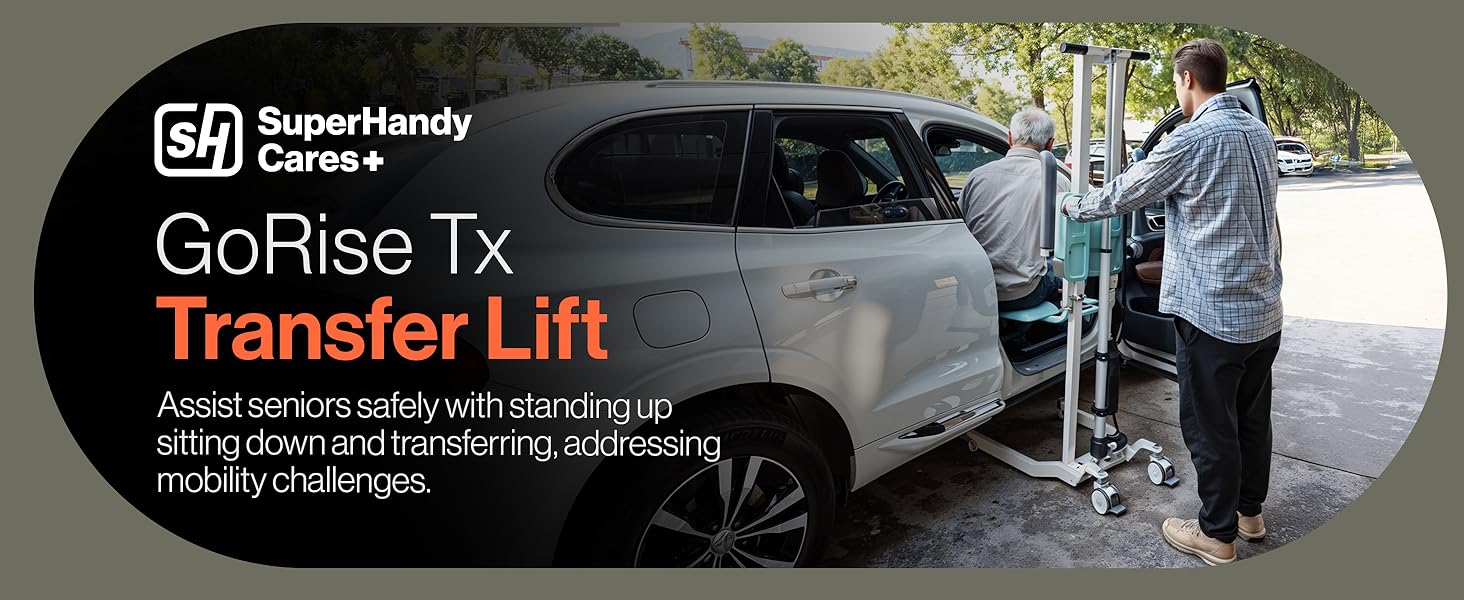
You might find an electric floor to stand lift helpful if you have trouble moving, have a disability, or need help after falling. This machine makes things safer and more comfortable for you. It also helps your caregiver avoid getting hurt.
The table below lists key features that help you stay independent and feel better:
|
Feature |
Description |
|---|---|
|
Ease of handling |
It works smoothly. Moving and storing it is easy. |
|
CE-certified |
It follows medical device rules for safety. |
|
Long boom |
You can turn easily. This lowers the chance of injury and makes you more comfortable. |
|
Emergency stop |
It keeps you safe if something goes wrong. |
|
Manual leg spread |
You can change it for more comfort and easier use. |
Key Takeaways
-
Electric floor to stand lifts make things safer and more comfortable for people who cannot move well. They help people stand up without getting hurt. These lifts let users stay independent at home. Users can do daily tasks with more confidence and less trouble. Caregivers have less physical stress. It is easier for them to help patients. This also lowers the chance of getting hurt.
What Is an Electric Floor to Stand Lift
An electric floor to stand lift helps you get up safely. It moves you from the floor to standing. You use it if you have trouble moving or after a fall. The lift has a motor that lifts you gently. You use a remote to control it. This makes it simple and safe. Many lifts work well at home or in hospitals. These lifts help you avoid hurting yourself or others.
Patient Lift Features
There are many patient lift models for homes and hospitals. These lifts have features that make them easy to use. Some lifts, like the hoyer lift, give strong support. They fit different needs.
How Floor Lifts Work
You use a floor lift by following easy steps. First, bend your knees and lift your bottom. Roll onto your side and sit up. Then, get on your hands and knees. Put your hands on something solid. Stand up with help from the electric floor lift. The hoyer lift and other lifts help you stand up fast and safely. You stay steady and upright, even if you are tall. The lift keeps your arms in a normal position. It stops pressure under your armpits.
When you use a floor lift, you must follow safety rules. Check the lift before you use it. Plan how you will lift. Use helpers if you need them. Never stand under the lift. Always use the right lift for the job. These steps keep you safe at home or in hospital.
Who Needs a Sit to Stand Lift
You might ask who uses a floor lift and why it is important. Sit to stand lifts help people who find moving hard. These lifts support you if you cannot move well, are getting better after an injury, or have health problems. They make life safer and more comfortable for you and your carer.
Limited Mobility
If standing up from a chair is hard, a sit to stand lift can help. Many older people and people with disabilities use these lifts every day. You might have weak muscles, stiff joints, or trouble with balance. A floor lift gives you the help you need to stand up safely. This device lowers your chance of falling or getting hurt. You do not have to use only your own strength or ask someone to lift you by hand.
Sit to stand lifts use a motor and a remote control. You can move slowly and safely. The lift keeps you steady and upright. You feel braver when you know you have help. If you use a wheelchair or find it hard to get out of bed, a patient lift makes moving easier. You can stay independent and keep doing things in your daily life.
Recovery and Rehabilitation
You might need a floor lift if you are getting better after a fall or surgery. After an injury, your body feels weak and shaky. Trying to stand up alone can make things worse. Electric floor to stand lifts make moving much safer. These devices lift you gently from the floor or bed. You do not have to make quick moves that could hurt you again.
Mobile hoists, like the hoyer lift, help you get up after a fall without hurting your body. Carers also benefit because they do not have to lift you by hand. This means both you and your helper are less likely to get hurt. You can focus on getting better while the lift does the heavy work. These lifts help you get back to moving on your own.
-
Hoists are made to move patients safely and lower injury risks for everyone.
-
They use a motor, so carers do not get tired lifting.
-
Remote controls make moving safer and easier.
Neurological and Musculoskeletal Conditions
If you have neurological or musculoskeletal conditions, moving on your own can be hard. Conditions like stroke, multiple sclerosis, or arthritis can make it tough to move. Sit to stand lifts and patient lifts give you the help you need. These devices help you move safely and with less pain.
The hoyer lift is a good choice for people with these conditions. It supports your body and keeps your arms in a normal position. You do not get pressure under your arms or skin problems. Carers also feel better when using patient lifts. They do not hurt their back, neck, arms, or shoulders as much. This means they can care for you better.
|
Benefit for Carers |
Description |
|---|---|
|
Less strain on back, neck, arms, and shoulders |
Lifts make moving patients easier and safer. |
|
Less tired during and after work |
Carers have more energy. |
|
More freedom to plan their own work |
Carers can manage their time better. |
|
Better talking with clients when working alone |
Carers can focus more on the person they help. |
Sit to stand lifts are great for anyone who needs extra help when moving. You can use these lifts at home or in a care home. They help you stay safe, comfortable, and independent every day.
Benefits and Safety of Sit to Stand Lifts
Enhancing Independence
A sit to stand lift can help you be more independent at home. These lifts let you stand up from a chair without always needing someone else. You feel proud and more confident when you do things on your own. The lift can help you walk, stand, or sit down, so you have more control over your day.
-
You can stand and put weight on your legs, which is good for your bones and joints.
-
The lift moves pressure away from sore spots, so you are less likely to get skin problems.
-
You can reach more things and join in with daily tasks.
-
Using a patient lift helps you stay in your own home for longer and lets you grow old where you want.
-
You are also less likely to fall or get hurt.
Caregiver Support
A floor lift makes things easier for your carer. These lifts mean your carer does not have to lift you by hand as much, so they do not get as tired or hurt. You can see the main ways it helps in the table below:
|
Benefit |
Description |
|---|---|
|
Reduced Physical Effort |
Sit to stand lifts make moving people take less work. |
|
Safety |
Lifts give a safer way to move people and lower the chance of injury. |
|
Support for Weight-Bearing |
They help people who can stand a bit, so moving is safer. |
A hoyer lift or other patient lifts can be used by one person, so your carer does not need extra help. You both stay safer when you move. You also get more choice about what you do each day.
Safe Use at Home
You need to follow safety tips to use a floor lift at home. Many sit to stand lifts have special safety features:
|
Feature |
Description |
|---|---|
|
Ergonomic hand control |
Simple buttons make the lift easy to use. |
|
Electrical emergency stop |
Stops the lift fast if there is a problem. |
|
Overload indicator |
Tells you if you are too heavy for the lift. |
|
Diagnostic control box |
Checks if the lift is working well and warns you if not. |
|
Padded knee support |
Keeps your knees safe and steady when you move. |
|
Ergonomic support handles |
Helps you hold on and stay safe when you stand. |
|
Motorised lifting mechanism |
Lifts you up smoothly and helps your carer avoid getting tired. |
|
Wheeled base |
Lets you roll the lift from room to room easily. |
|
Removable foot tray |
Gives your feet a safe place to stand, which is good for getting stronger. |
You should look after your lift and check it often. Getting an expert to service it helps stop problems and keeps you safe. Always use the lock and anti-tip parts when you move. Talk clearly with your carer. The main carer should say what is happening, like “lifting now” or “moving forward.” Only one person should use the controls at a time so you do not get mixed up.
A sit to stand lift helps you move and makes daily life easier. You can get from bed to chair, make your muscles stronger, and keep active. Patient lifts and hoyer lift models help you stay safe and independent in your own home.
You can use an electric floor to stand lift if you need help moving. These lifts help keep you safe at home. Sit to stand lifts and patient lifts have safety features. They help you stay independent. You should think about what you need and how to stay safe. Look at this table to compare patient lifts for healthcare:
|
Factor |
Description |
|---|---|
|
Type of Hoist |
Pick static or mobile for safety at home. |
|
Electric or Manual |
Electric lifts work better for heavy users. |
|
Sling Selection |
Choose the right sling for your safety. |
-
Here are things to think about for safety:
-
Patient lifts should fit your strength and space.
-
Sit to stand lifts must have good safety features.
-
Ask healthcare experts for advice about safety.
-
FAQ
How do you use an electric floor to stand lift safely?
Always check the lift before use. Follow the instructions. Ask for help if needed. Use the remote control and keep your hands on the support handles.
Can you move the lift from room to room?
You can move most lifts easily. Wheels let you roll the lift across flat floors. You do not need to install it in one place.
What should you look for when choosing a patient lift?
|
Feature |
Why It Matters |
|---|---|
|
Safety features |
Keep you safe during lifting. |
|
Weight limit |
Matches your body weight. |
|
Comfort |
Supports your body well. |