
Chicken plucker machines let you process chickens fast and safely. You get cleaner skin and not many broken feathers when you use them. If you set up your chicken plucker the right way at home, you keep your machine safe and get good results each time. You also stop accidents and make sure your poultry work goes well.
-
Batch processing makes feather removal quicker.
-
Using your chicken plucker the right way means you fix it less often.
Key Takeaways
-
A chicken plucker helps you save time and work. It lets you process chickens faster and makes them cleaner. Always make your workspace safe before you start. Keep your tools close to help you work better and stop accidents. Clean your chicken plucker often and check the rubber fingers. This helps your chicken plucker work well and last longer.
Chicken Plucker Basics
What Is a Chicken Plucker
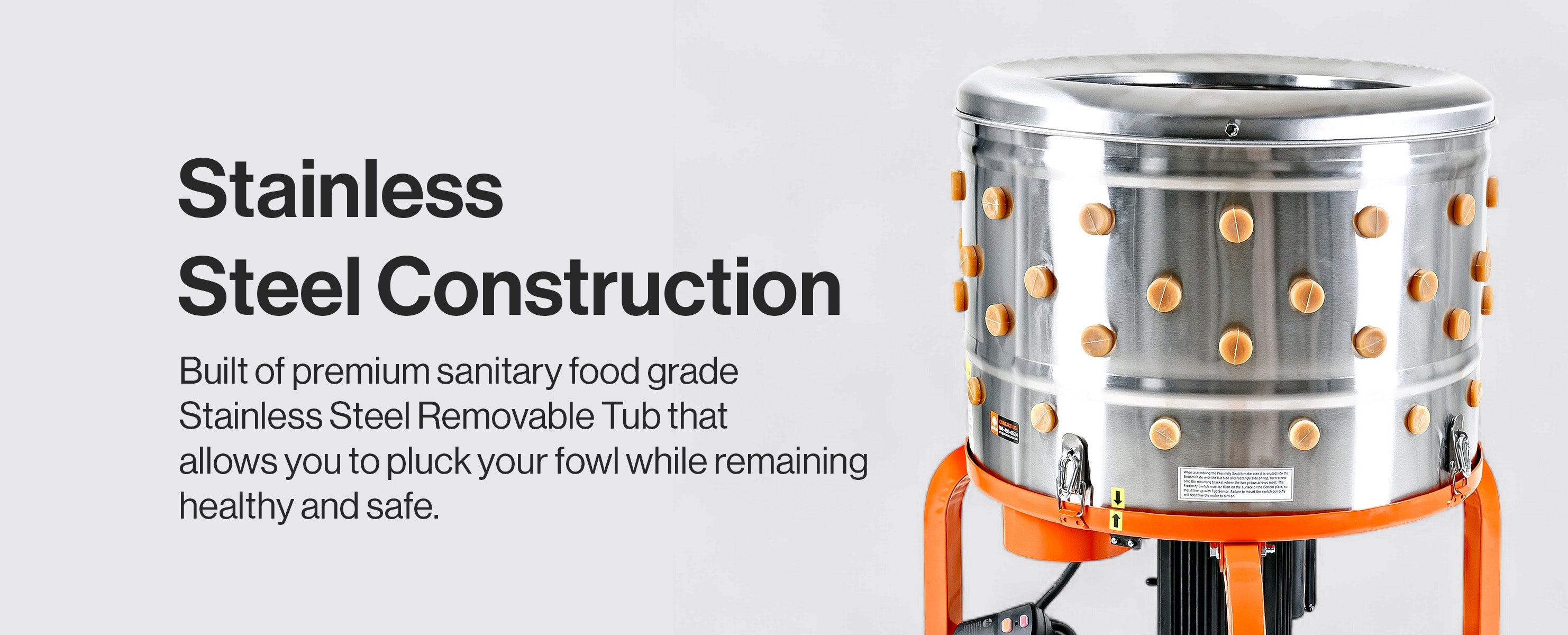
You use a chicken plucker to remove feathers from chickens quickly. This machine helps you save time and effort. You do not need to pluck feathers by hand. The chicken plucker uses rubber fingers that pull out feathers as the drum spins. Water often sprays inside the machine to help loosen the feathers. The motor gives the chicken plucker its power. Some machines use electricity, while others use a hand crank.
Here is a table to show you the main parts of a chicken plucker:
|
Component |
Description |
|---|---|
|
Rubber Fingers |
Pointed rubber pieces that grab and pull feathers from the chicken. |
|
Rotational Motion |
The spinning drum or cone that moves the chicken against the rubber fingers. |
|
Water |
Helps reduce friction and makes feather removal easier, especially after scalding the bird. |
|
Motor Power |
Powers the rotation, either by hand or with an electric chicken plucker for faster results. |
You can find many types of chicken plucker machines. Some are small for home use. Others are large for farms or commercial work.
Why Use a Chicken Plucker for Poultry Processing
You want your poultry to look clean and neat. The chicken plucker gives you smooth skin and removes most feathers in seconds. You do not get tired hands or waste time. The best chicken pluckers work well for both small and large batches. You can process more birds in less time. This means you finish your poultry processing faster and with less mess. You also keep your work area cleaner. Many people choose a chicken plucker because it makes the job simple and safe.
Tip: Always check your chicken plucker before use. Make sure the rubber fingers are in good shape. This helps you get the best results every time.
Types of Chicken Plucker Machines
Drum and Tub Pluckers
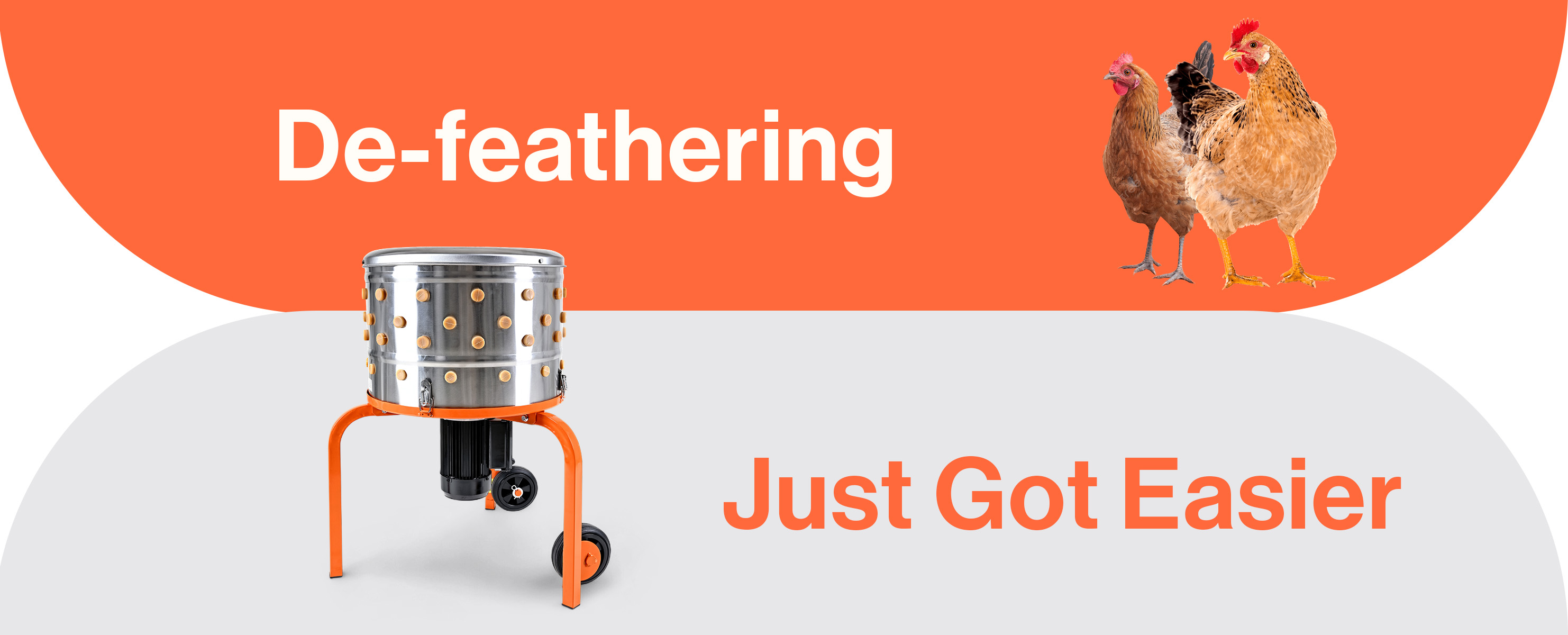
You can find two main designs for a chicken plucker: drum and tub. A drum chicken plucker uses a large spinning barrel. You place the bird inside, and the rubber fingers pull out the feathers as the drum turns. This type works well for bigger batches. A tub chicken plucker has a round tub with rubber fingers on the sides and bottom. You drop the chicken in, and the base spins. Water sprays inside to help remove feathers. You get fast results with both types, but the tub chicken plucker is easier to clean and suits smaller spaces.
Electric Chicken Plucker vs Manual
You can choose between an electric chicken plucker and a manual one. An electric chicken plucker uses a motor. You only need to load the birds and turn on the switch. The machine does the hard work for you. You save time and effort, especially if you process many chickens. A manual chicken plucker needs you to turn a handle or use a drill. You control the speed, but it takes more energy. Manual machines suit small jobs or places without electricity. You get more control, but you work harder.
Choosing the Right Machine
You need to pick the best chicken plucker for your needs. Think about these points:
-
Scale of operation: Choose a chicken plucker that matches your batch size. Small machines suit home use. Large machines fit farms or commercial work.
-
Type of poultry processed: Some chicken plucker machines work for chickens, ducks, or turkeys. Others only fit one bird type.
-
Budget: You find chicken plucker machines at many price points. Pick one that fits your budget.
Tip: Always check the size and power of the chicken plucker before you buy. You want a machine that handles your workload and lasts a long time.
You get better results when you match your chicken plucker to your processing needs. You save time, money, and effort.
Preparation for Chicken Processing
Scalding for Best Results
You must get your birds ready before using a chicken plucker. Scalding makes feathers come off more easily. Follow these steps to get the best results:
-
First, slaughter the bird the right way. Relaxed skin helps the chicken plucker work well and stops skin from tearing.
-
Start plucking right after you slaughter the bird. Warm skin lets the chicken plucker pull out feathers fast.
-
Begin with the light feathers. Pull from the tail first, then do the wings and breast. This keeps the skin from ripping.
-
Dip the bird in wax after you take off most feathers. The wax grabs any feathers you missed and pinfeathers too.
-
Clean the bird well after plucking. Now your chicken is ready for storage.
You must watch the scalding temperature and time. The right heat makes feathers soft but does not cook the skin. Use the table below to help with scalding:
|
Poultry Type |
Scalding Temperature (°C) |
Duration (seconds) |
|---|---|---|
|
Chicken |
65-70 |
30-45 |
Keep the water at the right temperature. If the water is too hot, the skin might tear. If it is too cold, feathers stay stuck and the chicken plucker will not work well.
Tip: Always use a thermometer to check the water before scalding. This helps you get good results every time you process poultry.
Setting Up Workspace Safely
You need to set up your workspace before you start. A safe and tidy area helps you work faster and stops accidents. Follow these steps to get your workspace ready:
-
Pick a dry, flat place for your chicken plucker. Wet or bumpy ground can make you slip or move the machine.
-
Put your chicken plucker near a water source. You need water for scalding and cleaning.
-
Keep all your tools close by. Put knives, buckets, and cleaning things where you can reach them.
-
Make sure there is space around your chicken plucker. You need room to move birds in and out safely.
-
Check that your electric chicken plucker is plugged into a dry, safe socket. Do not use extension cords in wet places.
A dry, flat surface is very important, especially with an electric chicken plucker. Water and electricity are dangerous together. Keep cords and plugs away from water. This lowers the risk of electric shock and keeps your chicken plucker working well.
Note: Always wear shoes that do not slip when using a chicken plucker. This keeps you safe and steady while you work.
Safety Precautions
You must follow safety rules every time you use a chicken plucker. Safe habits protect you and your machine. Here are some dangers and how to avoid them:
-
Clean your chicken plucker after each use. Feathers and dirt can build up and cause trouble.
-
Dry the machine before you put it away. Wetness can cause rust and damage.
-
Check your chicken plucker for loose or broken parts. Replace anything that is damaged before you start.
-
Oil moving parts often. This helps your chicken plucker run smoothly.
-
Do safety checks. Look for loose bolts or wires that could cause accidents.
People new to chicken plucker machines often make mistakes. You can avoid these problems by following these tips:
-
Clean your chicken plucker after every batch.
-
Dry the machine fully before storing it.
-
Check for loose or broken parts and fix them.
-
Oil moving parts once a week.
-
Store your chicken plucker in a dry, steady place.
-
Never put too many birds in your chicken plucker. Check the manual for the right amount.
-
Always read the user manual before you clean or fix your chicken plucker.
Alert: If you skip safety checks, you could have accidents or break your machine. Make safety a habit every time you use a chicken plucker.
You keep your chicken plucker in good shape by doing these things. You also make your poultry processing safer and quicker. Good planning and safe habits help you get the best results from your chicken plucker every time.
Operating Chicken Plucker
Step-by-Step Operation
You can achieve consistent results and save time by following a clear process when using a chicken plucker. The steps below help you get the most from your machine and keep your chicken processing smooth:
-
Prepare your chicken by scalding it in hot water. Keep the temperature between 65 and 70°C. Hold the bird in the water for about 45 seconds. This loosens the feathers and makes feather removal easier.
-
If you use a wet plucker, dunk the bird into water at about 73°C for 60 to 90 seconds. This step helps the chicken plucker grip the feathers better.
-
Place the bird into the chicken plucker. Make sure the machine is on a stable surface and switched on if you use an electric chicken plucker.
-
Let the chicken plucker run for 15 to 30 seconds. The rubber fingers will remove most feathers quickly. Watch the process to avoid over-plucking, which can damage the skin.
-
Remove the bird and check for any missed feathers. You can use a hand plucker or your fingers for small areas.
-
Rinse the bird with clean water to wash away loose feathers and dirt.
-
Clean the chicken plucker after each batch. Remove feathers from the drum and rubber fingers to keep the machine in good condition.
Tip: Always check the chicken plucker before you start. Make sure all parts are secure and the area is safe.
Maximising Feather Removal
You want to get the best feather removal with every use. The right temperature and timing make a big difference. The table below shows how you can maximise feather removal while keeping the skin safe:
|
Temperature (°C) |
Time (seconds) |
Effect on Feather Removal |
|---|---|---|
|
60-62 |
90-120 |
Maximises feather removal while preserving skin integrity |
Keep the water temperature steady. If the water is too cool, feathers stay stuck. If it is too hot, the skin may tear. You get the best results by following the recommended range. Using a chicken plucker with the correct settings gives you ease of operation and helps you process more birds in less time.
You can also improve feather removal by:
-
Scalding each bird for the right amount of time.
-
Avoiding overcrowding in the chicken plucker. Too many birds at once can lead to poor feather removal.
-
Checking the rubber fingers for wear. Replace them if they become smooth or cracked.
-
Using a chicken plucker with a steady water spray. This helps loosen feathers and keeps the drum clean.
Note: Consistent results come from careful preparation and regular checks on your chicken plucker.
Safety During Use
You must stay safe when operating a chicken plucker. The moving parts and water can cause accidents if you do not follow safety steps. Here are some important tips:
-
Wear non-slip shoes to prevent falls in wet areas.
-
Keep your hands and clothing away from the spinning drum and rubber fingers.
-
Do not overload the chicken plucker. Follow the manufacturer's guide for the right number of birds.
-
Use the chicken plucker on a dry, flat surface. This stops the machine from moving during use.
-
Unplug the electric chicken plucker before cleaning or making adjustments.
-
Check for loose wires or damaged parts before each use.
Alert: Never leave the chicken plucker running without supervision. Always stay nearby to stop the machine if something goes wrong.
You protect yourself and your machine by following these safety steps. Good habits make using a chicken plucker safer and more efficient. You also extend the life of your equipment and improve your poultry processing results.
Troubleshooting and Maintenance
Common Issues in Chicken Processing
Sometimes, your chicken plucker might not work right. Knowing what can go wrong helps you fix things fast. This keeps your poultry processing easy and smooth. Here is a table that shows the most common problems and what they mean:
|
Issue |
Description |
|---|---|
|
Worn Rubber Fingers |
Cracked or split fingers do not work well. They leave feathers on the chicken. You will need to do extra work. |
|
Skipping Lubrication |
If you forget to oil the machine, it can break down. The chicken plucker will not work as well. |
|
Not Inspecting Regularly |
If you do not check for worn parts, bigger problems can happen. Plucking will not be as good. |
If you see feathers left on the bird, check these things first. If your chicken plucker makes odd noises, look at these areas too. Fixing problems quickly saves time and keeps your machine working well.
Cleaning and Care
You need to clean your chicken plucker after every use. This keeps your machine safe and stops germs from spreading. Follow these steps to get the best results:
-
Wash the chicken plucker with mild soap and warm water after each use. Take off all feathers and dirt.
-
Dry every part before you put the machine away. Wet parts can rust and break.
-
Check the rubber fingers and other parts for damage. Change any broken pieces.
-
Oil the moving parts as the maker says. This helps your chicken plucker run smoothly.
Clean tools help stop food poisoning. Good cleaning also makes your poultry look and taste better.
Extending Machine Life
You want your chicken plucker to last a long time. Taking care of it helps a lot. Always keep your machine in a dry place. Look for loose bolts or wires before you use it. Oil the moving parts often. Change rubber fingers when you see cracks or splits. These habits keep your chicken plucker safe and help you process poultry well every time.
Tip: A clean and well-cared-for chicken plucker works better and saves you money on repairs.
Commercial Chicken Plucker Machine Efficiency
Time and Labour Savings
A commercial chicken plucker machine can change how you process poultry. These machines let you work with many birds at once. You can put up to 25 birds in the drum together. The machine takes off the feathers from all the birds in only five minutes. This saves you a lot of time and hard work. You do not need a big group of people to help. One person can run the machine and keep things going. The strong motor in a commercial chicken plucker machine helps you finish more birds quickly. You get more done in less time, so you can process more birds each day.
|
Feature |
Description |
|---|---|
|
Capacity |
Up to 25 birds |
|
Processing Time |
5 minutes for 25 birds |
|
Efficiency |
Quickly removes feathers with professional results |
|
Motor |
Powerful motor for effective operation |
Note: Using batch processing with a commercial chicken plucker machine helps you meet demand when you are busy.
Improving Product Quality
A commercial chicken plucker machine helps you keep your poultry clean. The machine takes off feathers evenly, so your birds look tidy and ready to sell. You do not see broken skin or feathers left behind. Clean rubber fingers and water spray help keep the birds free from dirt. This makes your poultry look better and more attractive. You also lower the chance of germs, which is important for food safety. Using a chicken plucker makes your work faster and your poultry better.
You can process poultry faster if you use a chicken plucker and follow good steps. Always clean your chicken plucker after you finish using it. Check the drum and rubber fingers often to make sure they work well. Keep your chicken plucker in a dry spot so it does not get rusty. When you process chickens at home, set up your workspace neatly and keep your tools nearby. The table below lists the main features:
|
Attribute |
Description |
|---|---|
|
Application |
POULTRY |
|
Feature |
High Efficiency |
|
Material |
Stainless Steel |
|
Processing |
Plucking Feather Removal |
A chicken plucker helps you work quicker, stay safe, and get better results. Use these tips to make home chicken processing easier and help your machine last longer. Start learning how to use your chicken plucker well today.
FAQ
How often should you replace the rubber fingers on your chicken plucker?
You should check the rubber fingers after each use. Replace them when they look cracked, smooth, or start to break.
Can you use a chicken plucker for ducks or turkeys?
You can use some chicken pluckers for ducks or turkeys. Always check the machine’s manual to see which birds it can handle.
What should you do if feathers remain after plucking?
-
Remove leftover feathers by hand or with a small hand plucker.
-
Check if the scalding temperature was correct.
-
Inspect the rubber fingers for wear.